

 2
2
 0
0
By Carly Khaw
[Originally published in the February Issue, 18th of February 2026]
Completing weeks of mandatory farm placements is one of the most daunting (and time consuming) tasks of your first few years while studying the Bachelor of Veterinary Science at UQ’s Gatton campus. From contacting many different properties, to organising accommodation and transport to the site, to showing up and internalising lots of information at once, I went through lots of growth and immensely enjoyed many of my experiences. Here’s a few tips I would give to anyone starting out for farm placements!
Go with a buddy
This was really good for sanity checks, confirming whether we had learnt a skill or concept in classes, and for debriefing unusual experiences. Plus, it’s more fun to share cool experiences together!
This comes with a massive caveat of DO NOT become codependent with the other student when on placement with them. As a student on farm, I heard many derisive anecdotes about students who couldn’t go anywhere or do anything without the other. Unfortunately, I also happened to complete a placement with a student who tried to rely on me and the 3rd student there for virtually everything and needed to be retaught skills we learned on Day 1, by the last day. It was unpleasant, and it hampered our ability to complete some duties efficiently.
Be clear about your experience and abilities
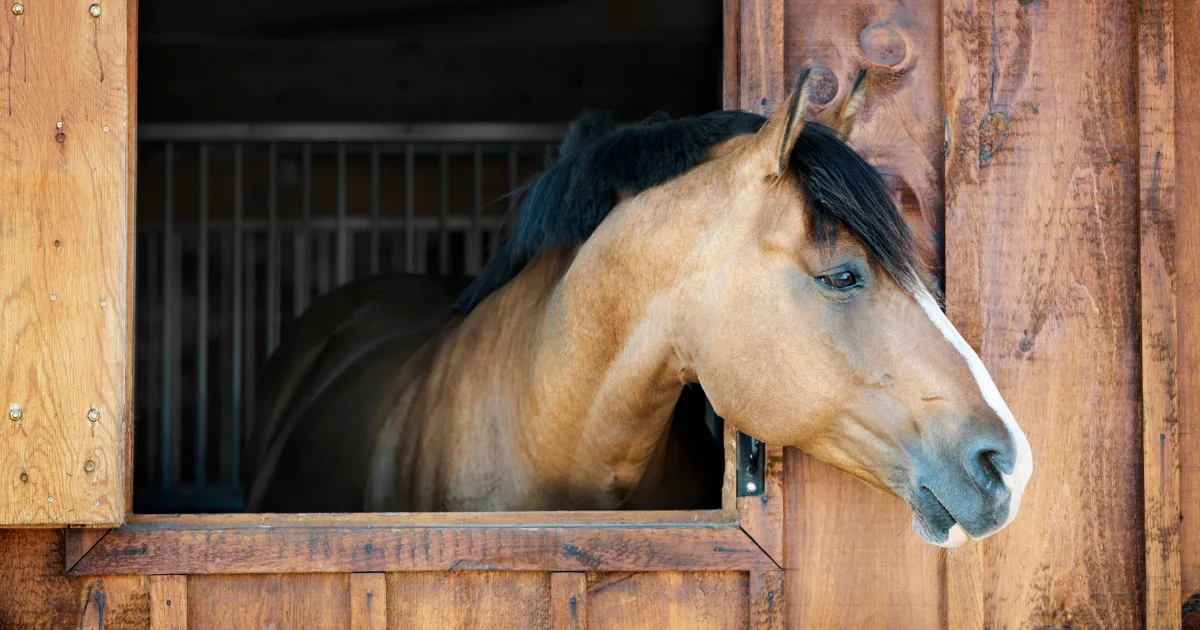
When I went for equine placement at an agistment property, I made it clear to the manager that although I had passed my horse handling exams and theory sections, horse handling and my understanding of their behaviour hadn’t become second nature yet. The manager was completely understanding and gave me tips and supervised when I needed some help. It made the learning experience incredibly valuable.
Ask lots of questions, communicate your enthusiasm
You have nothing to lose from asking questions and showing interest in the placement provider’s business and activities. It is good to ask them about the day-to-day and yearly operations on farm, and it cements what you have learnt in lectures about the different animals.
Give tasks your best shot
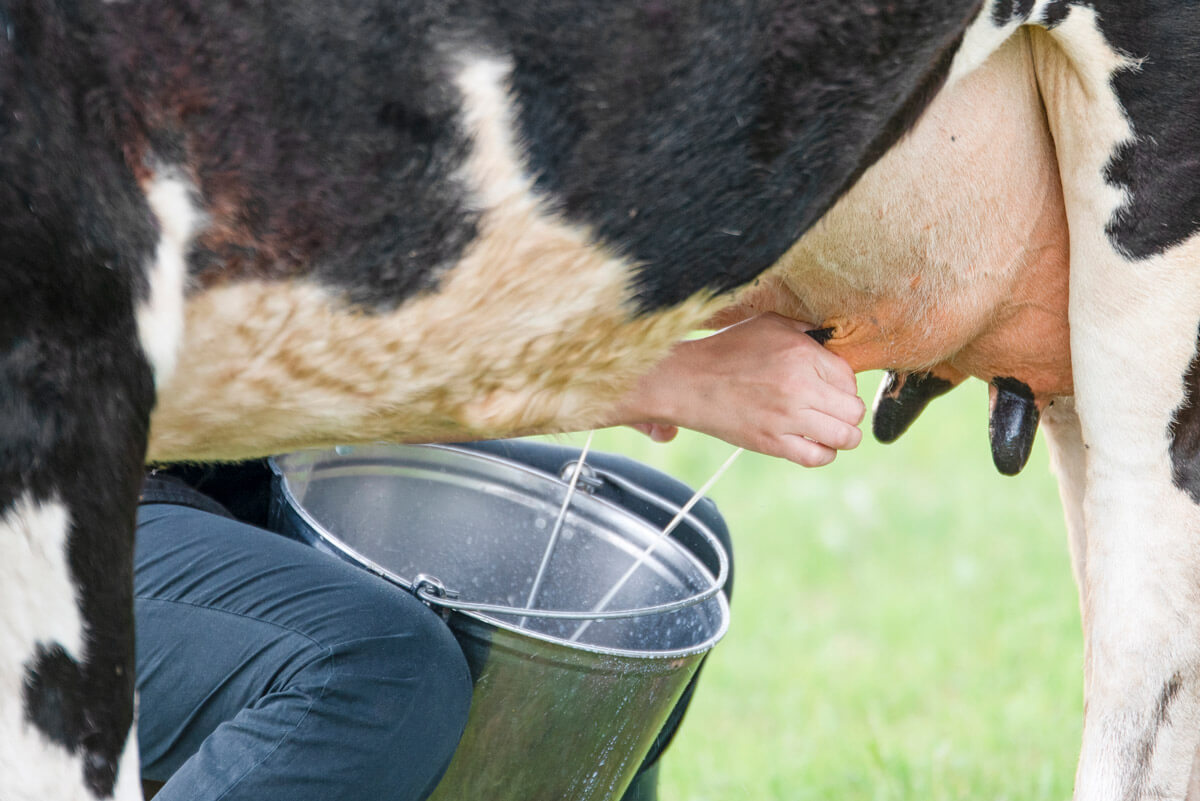
At my very first placement, we milked cows in the morning, and then our first independent task was to catch fish – barehanded – from a concrete, 1.5m diameter water trough.
Even when it’s not terribly exciting or a new experience, efforts are often rewarded with trust, and you are likely to be taught more things from the placement providers.
I will note that this is not always the case, and the lack of give-and-take is often multifactorial, as it can be indicative of a placement provider who is not used to having students who try, or the nature of the farm activities may mean you don’t have the chance for more opportunities.
Remember that your presence and the effort you put in is linked to the providers’ perception of UQ school of vet science and can affect future students’ chances to complete placement at that property.
Don’t be discouraged by judgement or preconceptions
As a feminine-presenting person of East Asian descent who grew up in a city, I am often perceived to be uninterested in, unknowledgeable about, or physically incapable of the tasks we complete on farms. The best way I found to combat this was to show how enthusiastic I was to help and show that I’m physically capable of performing manual labour. Of course, this is the sort of thing where you may not be able to change their minds, but it’s important to try and give it a shot, for your learning experience as well.
Above all, I would advise that you go into farm placements with the intent to learn, however much you can, rather than just see it as an obligatory task.


Author

Views: 962