
 0
0
 0
0
By Tim Bell
[Originally published in the February Issue, 18th of February 2026]
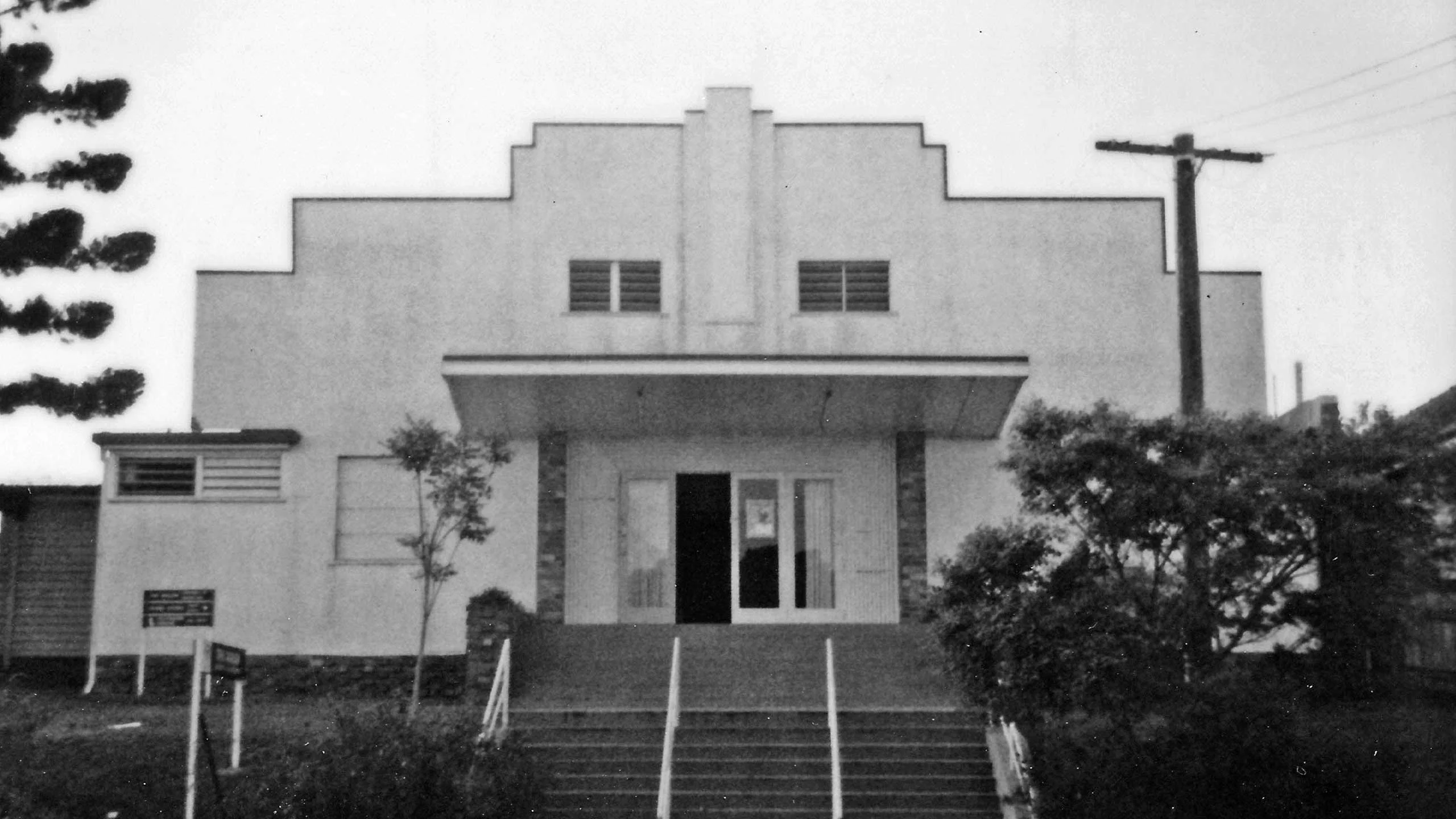
Situated a 10-minute walk down Sir Fred Schonell drive, The Avalon Theatre currently houses the UQ drama program.
The building was purchased in 1962 by the University of Queensland to provide a cheap and accessible space for student theatre collectives to present and rehearse before drama was officially taught by the university.
One of the most prominent of these companies was the University of Queensland Dramatic Society, dating back to the inception of the UQ Union in 1912, and forming one of four constituent societies.
The Dramatic Society was instrumental in championing theatre and Australian literary studies at the university, contributing financially to the establishment of the Fryer library and later to the Schonell Theater build through a theatre fund.
This fund had raised $3000 by 1969, which all went toward the Schonell build, ensuring the space would remain student owned and operated 1.
The opening of the Schonell Theatre also built momentum in establishing the first drama major at UQ under the English department. In 1973, this new major was taught in the Avalon Theatre, while all student theatre collectives had moved over to the Schonell.
For the next 30 years the dramatic society, or UniQue, as it became known, made use of the steel louvered black box space underground the Schonell known as the Cement Box. During this period, they underwent many name changes from UniQue in the 70s to The University Drama Society in 80s and then Pandemonium Theatre in the 90s before landing on Underground Theatre Company (UTC) at the turn of the century.
While the drama faculty grew throughout this time, student theatre collectives were waning as hire costs of the Cement Box were growing to recover union debts – a stark change from the in-kind use of the Avalon these groups were supported by.
In 2004, The Avalon’s doors were shut after significant structural damage was found in the roof. The decision was made to evict UTC from the Cement Box as the drama faculty moved in, remodelling the space into the Geoffrey Rush Drama Studio (named after former English student at UQ, now a Hollywood actor with accusations of sexual assault).
Now on the brink of homelessness, UTC were competing for space with UQ drama, the recently established Queensland Shakespeare Ensemble (QSE) and external hirers for use of the Schonell. Initially, UTC were afforded a limited number of weeks of free access to the Geoffrey Rush Drama Studio. This deal was shattered in 2021 by the abrupt closure of the Schonell Theatre due to the discovery of asbestos.
This left all parties homeless indefinitely as the drama faculty made use of college chapels and a demountable tent, while UTC began performing in external venues at great financial expense and at the cost of losing engagement in the student body.
It took another two years for UQ to commit to renovating The Avalon to house the drama faculty, after plans to demolish the Schonell had not been received well by the student body, requiring a longer revival project.
Work began in February of 2023 with significant expense directed to preserving original weatherboards and the art deco nature of the façade to the tune of 15 million dollars.
“The Theatre is known for its unique art-deco inspired facade so it was particularly important this was sympathetically recreated to maintain its identity.”
Professor Deborah Terry (Vice-Chancellor, 2024)
After a 6-month delay in the completion of the build, UQ drama moved back in for the start of Semester 2 in 2024, followed closely behind by QSE.
Drama studies at UQ were long past its heyday with the program having shrunk considerably since The Avalon days 30 years prior, with only one practical production unit remaining, thanks to the Morisson governments Job Ready Graduate Scheme hiking up prices of arts degrees.
Academic staff were tasked with managing and administering the space in its inaugural semester and subsequent year, adding to the already heavy burden of an increasingly casualised workforce.
Despite their 100-year history at the university and now being the last student theatre company left, Underground were knocked back from accessing the Avalon with the School of Communication and Arts considering them an ‘external’ company irrespective of UTC pre-dating the drama faculty itself.
Meanwhile, entering its 25th anniversary year, QSE are only presenting one full production of As You Like It while also having a gala dinner in the Avalon mid-year.
Underground continues to present three contemporary Australian plays a year and a short play festival with emerging writing development programs for student writers without a dedicated performance venue. Up to 100 creatives work with Underground across a single season and we welcome more than 500 audience members to our shows across the year.
“Underground is not just any society. It is one of the oldest societies at UQ, and an original founding society of the Union. Throughout our history we have started one of the libraries at UQ, contributed to building the Union theatre from our own proceeds [and] advocated for setting up drama studies at UQ”
Kathryn Good (UTC Marketing Director, 2018)2
While the university has invested heavily in maintaining the aesthetic identity of the Avalon, they have strayed far from preserving the rich tradition of experimental and politically dissident student theatre on campus.
Set against the backdrop of universities across the state dismantling their arts programs, student theatre companies like Underground have never been more critical for ensuring students can gain experience in the performing arts industry with hands on opportunities that formal drama study no longer offers.
This inaction by the university to support a company creating and staging new Australian works by emerging creatives, in favour of a flagging drama program and a company restaging plays from 400 years ago, threaten to make student theatre extinct.
A review of the theatres operating model was promised in the second half of 2025; however, this has been pushed back for completion in 2026 by the Properties and Facilities division.
References:
- A history of the Avalon Theatre, 1921-2007 by Richard Fotheringham
- History of Underground Productions, c2018 by Kathryn Good


Views: 2535